Why 4/4 Pullout Sand Stuck Situations Demand the Right Recovery Gear
Driving on sand looks easy enough in videos. You see a pickup glide over a dune, the driver laughing, and the whole thing feels effortless. The reality is different. Sand is unpredictable. It shifts under load, hides soft patches, and turns a straightforward drive into a long afternoon of digging. I have spent enough time on the sand tracks around Dubai to know that a moment of overconfidence or a slight misjudgment can leave you stuck up to the axles. And when that happens, the phrase "4/4 pullout sand stuck" starts to make a lot more sense.
People who have never dealt with a sand recovery assume a tow rope and a stronger vehicle will solve everything. That is rarely the case. A four-wheel drive stuck in soft sand needs a specific kind of pull, not just brute force. The angle of the pull, the anchor point, the condition of the sand, and the equipment all matter. Without the right approach, you can damage the vehicle or make the situation worse. That is where understanding the mechanics of a 4/4 pullout sand stuck situation becomes useful, not just for off-road enthusiasts but for anyone who drives in the desert.
The nature of sand and why vehicles sink
Sand is not solid ground. When you drive over it, the tires displace grains, and the vehicle's weight presses down. In dry, loose sand, the pressure can cause the tires to dig in rather than roll forward. This is especially true if you reduce speed or stop on a soft patch. The moment you stop, the sand settles around the tires, and you lose the momentum that was keeping you afloat. Tire deflation helps by increasing the contact patch, but even then, a sudden stop or a sharp turn can bury the wheels.
I have seen drivers try to power their way out by flooring the accelerator. That usually just digs a deeper hole. The spinning tires throw sand behind them, and the vehicle sinks further. The correct response is to stop spinning the wheels, assess the situation, and prepare for a controlled recovery. This is where the concept of a 4/4 pullout sand stuck recovery comes in. It is not about speed. It is about leverage, traction, and direction.

What a proper pullout involves
A pullout is not just hooking a strap to the front of the stuck vehicle and yanking. The first step is to clear some sand from around the tires and place sand mats or flat boards under them. This gives the tires something to grip when the tension comes. Then you need a recovery vehicle that can provide steady, controlled force. A standard tow truck might work on pavement, but on sand, a recovery vehicle with a winch and a good anchor point is far more effective.
The winch cable should extend straight, not at an angle. If the recovery vehicle is positioned poorly, the pull will drag the stuck vehicle sideways instead of backward. That can cause the tires to dig in even more. The recovery operator needs to communicate with the driver of the stuck vehicle so that both vehicles move in sync. A sudden jerk can snap a recovery strap or damage the chassis. Slow, steady tension is the goal.
I recall a job near a sand dune outside Dubai where a heavy SUV had sunk up to the running boards. The owner had tried to reverse out, but that only packed the sand tighter around the wheels. We used a recovery vehicle with a winch rated for the weight, placed sand mats under the front tires, and attached a recovery strap to a solid anchor point on the frame. The pull took maybe two minutes, but the setup took nearly half an hour. That is the reality of a 4/4 pullout sand stuck situation. The actual pull is quick, but the preparation is everything.
Equipment that makes the difference
Not all recovery gear is created equal. A recovery strap is not the same as a tow rope. Recovery straps stretch slightly, absorbing shock and reducing the risk of snapping. Tow ropes are static and can break under sudden load. For sand recoveries, a recovery strap is the safer choice. Combined with a winch, it gives the operator fine control over the pull.
Sand mats are another essential piece. They are lightweight boards that you place under the tires to create a firm surface. Without them, the tires just sink again as soon as the pull starts. In deep sand, you might need to place them multiple times as the vehicle moves forward. A good set of sand mats can turn a hopeless situation into a routine recovery.

Winches are the backbone of off-road recovery. A winch mounted on a recovery vehicle can pull several tons, and with a proper anchor point, it can extract a vehicle from almost any position. The anchor point could be another vehicle, a sturdy post, or even a sand anchor buried deep enough to hold. The key is that the anchor must not shift under load. If it does, the pull loses direction and the stuck vehicle stays put.
The role of professional recovery services
For someone who does not carry this equipment, getting stuck in the desert is a serious problem. Calling a service like Car Recovery Dubai makes sense because they bring the right tools and experience. They operate 24/7 roadside assistance across the UAE, and their crews know how to handle sand recoveries. Whether it is a car, a bike, or a heavy vehicle, the approach is different for each. Motorcycle recovery, for example, requires care not to damage the frame. Heavy vehicle recovery needs a winch with enough capacity and a solid anchor point.
I have seen people try to flag down other drivers for a pull, but that is risky. The other driver may not have the right equipment or experience, and a failed attempt can leave both vehicles stuck. Professional recovery crews carry sand mats, recovery straps, winches, and the knowledge to use them safely. They also know how to assess the terrain and choose the best angle for the pull. That is worth the cost of the call.
Preventing the stuck in the first place
Prevention is better than recovery. If you plan to drive on sand, reduce tire pressure before you leave the pavement. Carry a tire deflation kit and a pressure gauge. Keep a set of sand mats, a recovery strap, and a shovel in the vehicle. Learn how to use them before you need them. Practice driving on soft sand in a controlled area where you can afford to get stuck. Understand that momentum is your friend, but speed is not. Drive at a steady pace, avoid sudden turns, and stay on established tracks when possible.
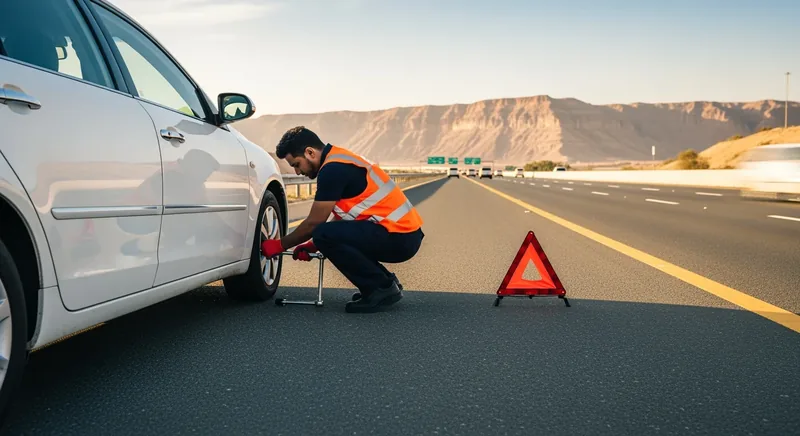
Even with all that, getting stuck can still happen. Sand changes with the wind, and a track that was firm yesterday can be soft today. When it does happen, stay calm. Do not spin the tires. Call for help if you do not have the gear or confidence to recover yourself. A professional service like Car Recovery Dubai can handle the job quickly and safely, and that peace of mind is worth a lot when you are sitting in a hot vehicle with the sun going down.
The phrase "4/4 pullout sand stuck" sounds technical, but it really describes a common problem with a proven solution. It is about matching the right equipment and technique to the situation. Whether you are a weekend desert driver or someone who lives near the dunes, knowing what a proper pullout involves can save you time, money, and frustration.